
 Image 1 of 3
 Image 2 of 3
 Image 3 of 3
Lemon Thyme is a great choice if you’re looking to add a light, fresh zest to your cooking, especially in salads, fish, and chicken dishes.
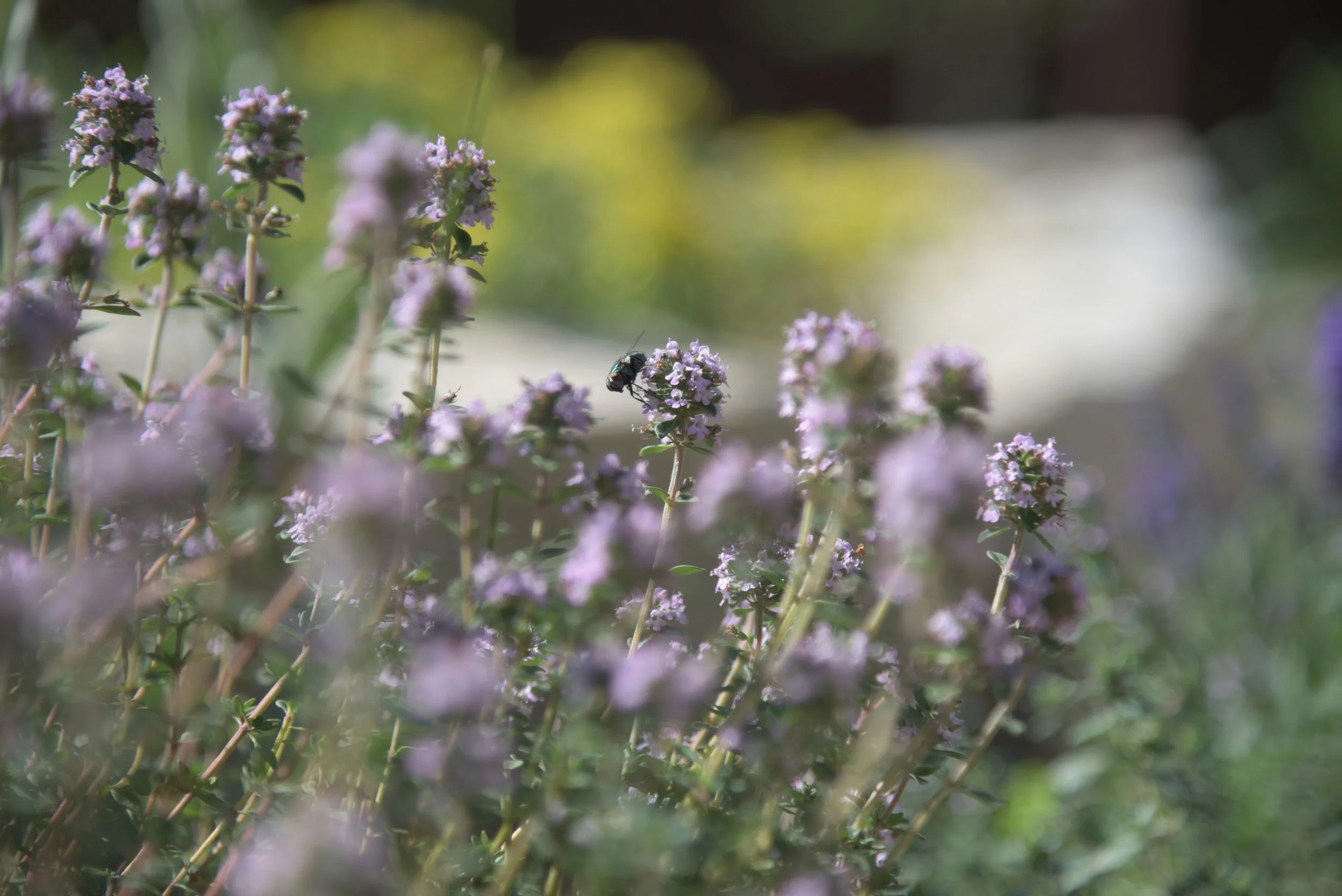
This hardy thyme has an upright, bushy growth habit and produces pale purple, tubular flowers that pollinators love. It thrives in sandy, well-drained soil and does best in full sun, though it can tolerate partial shade. Lemon thyme looks right at home in rock gardens, as a low groundcover, or edging a garden bed.
Thyme is generally low-maintenance, but trimming it back after flowering helps encourage a fuller, bushier plant. Be careful not to overwater; thyme prefers drier conditions and is prone to fungal issues and root rot if the soil stays too wet.
For the best flavor, harvest in the morning just before flowering, when the aromatic oils are at their peak.
Height: 3–6 inches
Spread: 6–9 inches
Lemon Thyme is a great choice if you’re looking to add a light, fresh zest to your cooking, especially in salads, fish, and chicken dishes.
This hardy thyme has an upright, bushy growth habit and produces pale purple, tubular flowers that pollinators love. It thrives in sandy, well-drained soil and does best in full sun, though it can tolerate partial shade. Lemon thyme looks right at home in rock gardens, as a low groundcover, or edging a garden bed.
Thyme is generally low-maintenance, but trimming it back after flowering helps encourage a fuller, bushier plant. Be careful not to overwater; thyme prefers drier conditions and is prone to fungal issues and root rot if the soil stays too wet.
For the best flavor, harvest in the morning just before flowering, when the aromatic oils are at their peak.
Height: 3–6 inches
Spread: 6–9 inches